
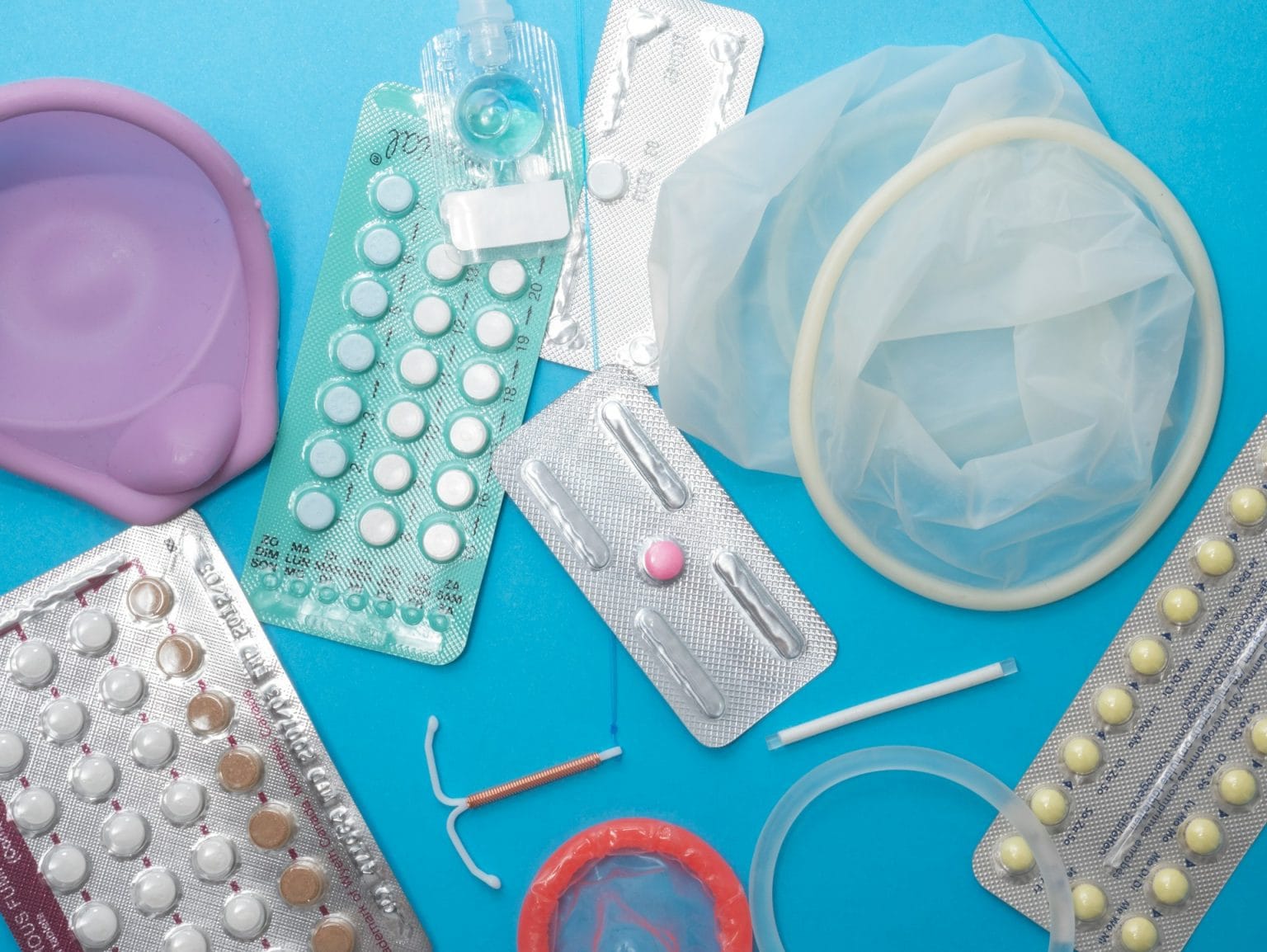
What are the pros and cons of the different types of contraception, and how do they compare to getting a vasectomy? If you are weighing permanent versus reversible options, it may also be helpful to review the benefits of vasectomy and understand how the vasectomy procedure works before making a decision.
At Precision Vasectomy we want our patients to make fully informed decisions and to consider all their options before committing to a vasectomy. We encourage everyone to discuss the options with their partner and doctor and to arrive at a solution that meets their needs. If you have any questions or would like to explore a vasectomy further, contact us to discuss with Dr. Colin Irwin.
The following contraception comparison is a brief overview intended to highlight the key pros and cons of each form of contraception, if you are considering one of these options, please discuss with your doctor in more detail.
1. Vasectomy
Permanent male sterilisation involving sealing the vas deferens, the tubes that transfer sperm from the testicles to the penis. Many men also find reassurance in reviewing the expected recovery process, which we explain in our vasectomy recovery timeline, including downtime, pain expectations, and return to work.
Pros
- Over 99.9% effective; lifetime failure rate is 1 in 2,000.
- Quick procedure, local anaesthetic, quick recovery.
- One-time cost—no ongoing management.
Cons
- Permanent; reversals are expensive and not guaranteed.
- No protection against STIs.
Effectiveness
- 0.05% failure (1 in 2,000) – the most effective form of contraception
A vasectomy is a simple minor procedure for men that provides a permanent method of contraception. It is the most effective forms of birth control, with a failure rate of just 1 in 2,000(following a negative semen analysis after procedure). The procedure involves sealing the tubes that carry sperm, preventing it from entering the semen. While it’s quick and typically performed under local anaesthetic, it should be considered permanent, as reversal isn’t guaranteed.
If you are still reflecting on whether permanent contraception is right for you, our guide on things to consider before booking a vasectomy may help clarify the decision.
2. Hormonal IUD (Mirena/IUS)
Progestin-releasing intrauterine system lasting 3–8 years.
Pros
- Over 99% effective; typical = perfect use.
- Low-maintenance; may reduce bleeding and cramps.
Cons
- Must be fitted/removed by clinician.
- Spotting initially; no STI protection.
Effectiveness
- Typical & perfect: ≤0.4% failure
The hormonal IUD, such as Mirena, is a small T-shaped device inserted into the uterus. It releases progestin to thicken cervical mucus and sometimes suppress ovulation. It’s a long-acting, reversible contraceptive (LARC) that can remain effective for up to eight years. It’s highly effective and often used to treat heavy periods in addition to preventing pregnancy.
3. Copper IUD
Non-hormonal device effective for 5–10+ years.
Pros
- Over 99% effective; typical = perfect use.
- Hormone-free and suitable for emergency contraception.
Cons
- Possible heavier periods and cramps.
- Requires clinical insertion and removal.
Effectiveness
- ~0.6% failure
The copper IUD is a hormone-free option that works by releasing copper ions toxic to sperm. It’s an excellent long-term method that doubles as emergency contraception if inserted within five days of unprotected sex. While effective, it may cause heavier or more painful periods, especially in the first few months.
4. Combined Oral Contraceptive Pill (COCP)
Daily pill containing oestrogen + progestin.
Pros
- Over 99% effective with perfect use.
- Easier cycle control; fewer periods.
Cons
- Missing pills reduces effectiveness.
- Not suitable for some: smokers over 35, those with clot risk, history of breast cancer, history of migraines
- No STI protection.
Effectiveness
- Perfect use: 0.3% failure
- Typical use: 9% failure
The COCP is a widely used hormonal contraceptive that prevents ovulation and thickens cervical mucus. It must be taken daily, and its effectiveness drops with missed pills. It also offers cycle control benefits but is not suitable for everyone due to the oestrogen component.
5. Progestogen-only Pill (POP)
Also called the “mini-pill”.
Pros
- Suitable if oestrogen isn’t recommended (e.g. breastfeeding, clot risks).
- Over 99% effective if taken precisely.
Cons
- Must be taken at the same time daily.
- Spotting and cycles irregular.
Effectiveness
- Perfect use: >99%
- Typical use: 9% failure
The POP contains only progestogen and is suitable for those who cannot take oestrogen. It must be taken at the same time each day to maintain effectiveness. It primarily works by thickening cervical mucus, though in some cases it also suppresses ovulation.
6. Condoms
Barrier method protecting against pregnancy and STIs.
Pros
- STI protection.
- OTC and inexpensive.
Cons
- One-time use; correct usage each time is essential.
- Possible breakage or late application.
Effectiveness
- Perfect use 98% effective
- Typical use 82% effective
Condoms are the only method that protect against both pregnancy and sexually transmitted infections. They are widely available without prescription but are less effective than hormonal methods due to user error.
7. Tubal Ligation (Female Sterilisation)
Permanent procedure sealing or cutting fallopian tubes.
Pros
- Over 99.5% effective.
- No further contraception required.
Cons
- Major surgery with general anaesthetic.
- No STI protection.
Effectiveness
- Typical & perfect: 0.5% failure in first year
Tubal ligation is a permanent contraceptive option for women. It involves sealing or cutting the fallopian tubes to block egg transport. It’s a surgical procedure requiring general anaesthesia and is intended for those who are certain they don’t want children in the future.
8. Implant (e.g., Implanon)
Progestin rod subdermal for ~3 years.
Pros
- Over 99% effective; minimal user action.
- Quickly reversible.
Cons
- Minor procedure for insertion/removal.
- Irregular bleeding.
Effectiveness
- Typical & perfect: ~0.05% failure
The contraceptive implant is a small rod inserted under the skin of the upper arm. It releases a steady dose of progestogen, offering long-lasting, reversible contraception. It’s ideal for those seeking a low-maintenance option.
9. Depo Provera Injection
Progestogen shot every 8–13 weeks.
Pros
- Over 99% effective with timely injections.
- No daily care.
Cons
- Missed injection reduces protection.
- Fertility may take up to 10 months to return.
- Weight gain, mood changes possible.
Effectiveness
- Typical: ~6% failure
- Perfect: 0.3–0.5% failure
The Depo injection is administered every 12 weeks and works by preventing ovulation. It’s discreet and effective, but side effects and delayed return to fertility can be drawbacks for some users.
10. Contraceptive Patch
Weekly transdermal oestrogen/progestin patch.
Pros
- Once-a-week application; easier than daily pill.
Cons
- Skin irritation possible.
- Hormonal risks like COCP.
Effectiveness
- Typical: ~9% failure
- Perfect: ~0.3% failure
The patch releases hormones through the skin to prevent ovulation. It’s worn for three weeks with a patch-free week, making it easier than daily pills. Like the COCP, it’s not suitable for everyone.
11. Vaginal Ring
Monthly oestrogen/progestin ring.
Pros
- Insert one for 3 weeks, remove 1; low user burden.
Cons
- May slip or cause irritation.
- Hormonal side-effects.
Effectiveness
- Typical: ~9% failure
- Perfect: ~0.3% failure
The vaginal ring (e.g., NuvaRing) is inserted into the vagina and left for three weeks. It releases a combination of hormones similar to the pill and is a convenient monthly option with high effectiveness when used properly.
12. Family Planning / Fertility Awareness
Tracking fertility signs to avoid pregnancy.
Pros
- No hormones or devices.
- Empowering body awareness.
Cons
- Requires daily tracking and discipline.
- No STI protection.
Effectiveness
- Perfect: ~1-9% failure
- Typical: ~24% failure
Fertility awareness methods involve monitoring ovulation signs (e.g., temperature, cervical mucus) to avoid sex during fertile periods. They require consistent daily monitoring and discipline, and while effective with perfect use, are more prone to error.
Decision made? Book your vasectomy here today.
This data used in this contraception comparison was collected from reliable medical resources including